Best Dog Food for Itchy Skin and Ear Infections
If your dog is always scratching, chewing at their paws, or dealing with repeated ear infections, it can be frustrating for both of you. Many dog owners focus on shampoos, ear cleaners, or medications first, but sometimes the food bowl deserves a closer look too.
Skin problems and ear infections often go hand in hand. That is because a dog’s ears are lined with skin, so when the body reacts to allergies or sensitivities, the ears can become part of the problem. In some dogs, food may be one of the triggers. That is why choosing the best dog food for itchy skin and ear infections can make a real difference over time.
The goal is not to find a magic cure in one bag of kibble. It is to choose a food that supports healthy skin, reduces common triggers, and helps your dog feel more comfortable day after day.
Why itchy skin and ear infections happen together
A lot of dogs with skin allergies also struggle with ear issues. You may notice redness, head shaking, odor, discharge, or frequent scratching around the ears. In many cases, the real issue is inflammation. When the skin is irritated, the ears can become inflamed too, creating the perfect environment for recurring infections.
Food is not always the only reason this happens, but it can absolutely be part of the bigger picture. Some dogs react badly to certain ingredients, especially common proteins or fillers they eat every day. When that happens, the reaction may show up through chronic itching, hot spots, paw licking, and ear flare-ups.
This is why many owners start looking for dog food made for sensitive skin. A better formula can help calm the body’s inflammatory response and support the skin barrier from the inside out.
What to look for in dog food for itchy skin
The best dog food for itchy skin and ear infections usually has a few important things in common.
First, look for a protein source your dog is likely to tolerate well. Salmon is often a top choice because it is less common than chicken or beef in traditional formulas, and it naturally provides omega-3 fatty acids. Those healthy fats can help support the skin and coat.
Second, simpler is often better. A limited ingredient formula can be useful when you are trying to reduce exposure to possible triggers. If the ingredient list is shorter and cleaner, it becomes easier to spot what works and what does not.
Third, foods with omega-3 and omega-6 fatty acids are worth considering. These nutrients help support skin health and can improve coat quality over time. Dogs with dry, flaky, or irritated skin may benefit from this kind of nutritional support.
It can also help to choose a formula that supports digestion. Some dogs with skin issues also have sensitive stomachs, and the two can be connected. Ingredients like oatmeal, rice, pumpkin, and probiotics may be easier on the digestive system while still providing balanced nutrition.

Best dog food options to consider
If you want a strong option that is widely trusted for sensitive dogs, Purina Pro Plan Adult Sensitive Skin & Stomach Salmon & Rice Formula Dry Dog Food is one of the first foods many owners look at. It uses salmon as the main protein source and includes nutrients designed to support skin and coat health. It is a solid all-around choice for dogs with both skin and stomach sensitivity.
Another option worth considering is Natural Balance Specialized Nutrition Sensitive Skin & Stomach Salmon, Oatmeal & Pumpkin Recipe Dry Dog Food. This one stands out because it combines skin support with digestive support. For dogs that deal with itching and stomach upset at the same time, that balance can be especially helpful.
If you want a simpler formula, Chewy Made Limited Ingredient Salmon & Sweet Potato Recipe Grain-Free Dry Dog Food may be a good fit. Limited ingredient diets can be useful when you are trying to avoid unnecessary fillers or narrow down what may be bothering your dog. Salmon and sweet potato is also a combination many sensitive dogs tolerate well.
Another food that often comes up in this conversation is Instinct Limited Ingredient Diet Adult Grain-Free Real Salmon Recipe Dry Dog Food. It is designed with simplicity in mind and focuses on one main animal protein. That can be helpful if your dog has reacted poorly to more crowded ingredient lists in the past.
You may also want to look at Zignature Trout & Salmon Limited Ingredient Formula Dry Dog Food. Fish-based diets are often popular for dogs with itchy skin because of their omega content and the fact that they avoid more common proteins like chicken or beef.
Ingredients that may be worth avoiding
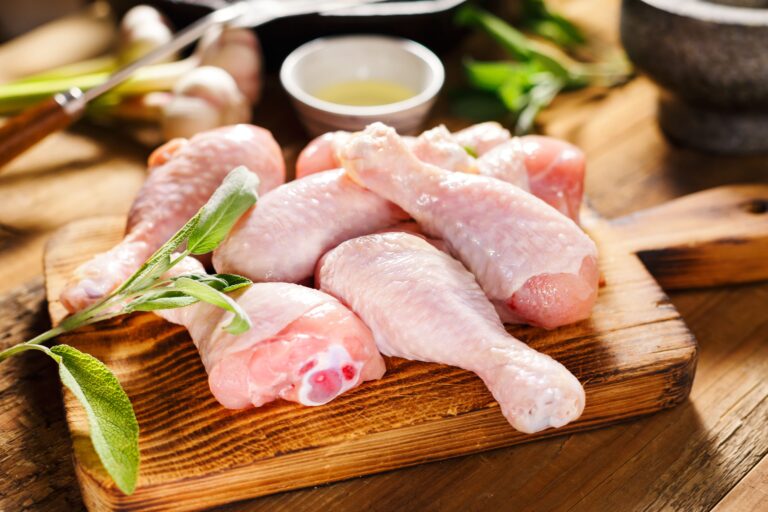
Every dog is different, so there is no single ingredient that causes problems for all dogs. Still, some ingredients show up more often in discussions about food sensitivity. Common proteins like chicken, beef, and dairy can be problematic for some dogs. Wheat and other fillers may also bother certain sensitive dogs.
That does not mean these ingredients are bad for every dog. It simply means that if your dog has repeated itching or ear problems, it may be worth testing a formula built around a different protein source and a simpler recipe.
The best approach is usually to make one change at a time and give it enough time to work. Switching food every few days will only make things more confusing.
Can dog food really help ear infections?
Dog food can help if the ear infections are linked to allergies or food sensitivities. In that case, reducing inflammation in the body may lower the chances of repeated flare-ups. But it is important to be realistic here. Food is not usually a quick fix for an active infection.
If your dog’s ears smell bad, look swollen, have dark discharge, or seem painful, you should speak with your vet. An active ear infection often needs proper treatment. Food can support long-term improvement, but it may not replace medical care when the infection is already established.
The best way to think about it is this: food may help address the root cause in some dogs, while treatment handles the infection that is already there.
How long does it take to see improvement?
One of the biggest mistakes dog owners make is expecting instant results. Skin takes time to heal. Even if the new food is a better fit, you may need several weeks before you notice less scratching, calmer ears, or healthier-looking skin.
A gradual food transition is also important. Most dogs do better when their new food is introduced slowly over about seven days. That helps reduce digestive upset and makes the process easier on your dog.
During that period, try to stay consistent. Too many treats, table scraps, or flavored extras can make it harder to tell whether the new food is actually helping.
Final thoughts
Finding the best dog food for itchy skin and ear infections takes a little patience, but it is often worth the effort. The right formula can support the skin, reduce irritation, and help your dog feel more comfortable over time. Foods with fish-based protein, omega fatty acids, limited ingredients, and digestive support are usually a smart place to start.
If you are comparing options, Purina Pro Plan Adult Sensitive Skin & Stomach Salmon & Rice Formula Dry Dog Food, Natural Balance Specialized Nutrition Sensitive Skin & Stomach Salmon, Oatmeal & Pumpkin Recipe Dry Dog Food, Chewy Made Limited Ingredient Salmon & Sweet Potato Recipe Grain-Free Dry Dog Food, Instinct Limited Ingredient Diet Adult Grain-Free Real Salmon Recipe Dry Dog Food, and Zignature Trout & Salmon Limited Ingredient Formula Dry Dog Food are all worth a look.
If your dog keeps scratching and the ear issues keep coming back, it may be time to look beyond surface-level solutions. Sometimes the path to healthier skin starts with a better bowl of food.
For more dog care tips, product guides, and honest advice, keep exploring TheRoverDog!

Subscribe to our weekly newsletter below and never miss the latest article.